

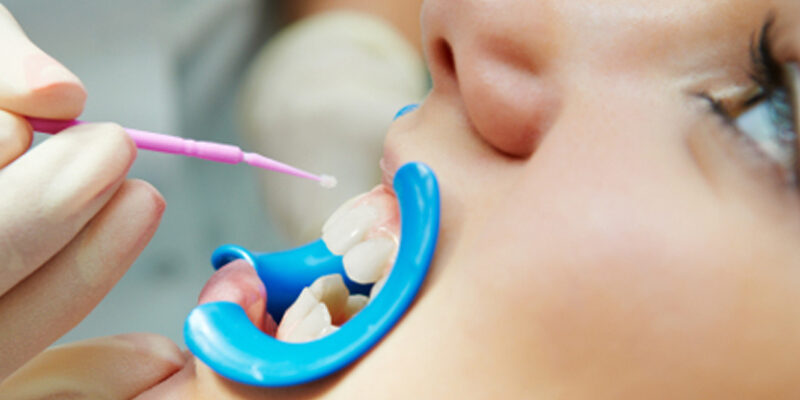
This is the modern way of helping you keep a healthy mouth. It helps to have less dental treatment. The two main causes of tooth loss are decay and gum disease. The better you prevent or deal with these two problems, the more chance you will have of keeping your teeth for life. Preventive dentistry will benefit anyone with some of their own teeth. People who don’t have any teeth can also benefit, because conditions such as mouth cancer and denture stomatitis can be spotted during regular visits to us and then treated.
Everyone benefits from preventive dentistry. Children in particular benefit because it allows their newly developing adult teeth to come in strong and healthy. Aging adults benefit from preventive dentistry because it helps them to keep their real teeth.
Oral health is connected to body health as a whole. This is because the mouth is a breeding ground for harmful bacteria. Maintaining a clean mouth benefits overall health.
With good dental hygiene, patients greatly reduce their risk of getting cavities, gingivitis, periodontitis, and other dental problems. This, in turn, can reduce the risk of secondary problems caused by poor oral health.
PREVENTIVE DENTISTRY STRATEGIES
Preventive oral care strategies for children and adults include a number of in-office and home care activities, including:
At-home oral hygiene. The most important prevention technique is brushing and flossing at least twice a day (or after every meal) to remove dental plaque
Fluoride use. Fluoride strengthens teeth and prevents tooth decay. Fluoride treatments are provided in dental offices, and dentists recommend using fluoride toothpastes and mouth rinses at home.
Diet. A balanced diet is a dental health essential. Foods with sugars and carbohydrates feed the bacteria that produce dental plaque, while calcium-poor diets increase your chances of developing gum (periodontal) disease and jaw deterioration.
Regular dental visits. Since most dental conditions are painless at first, if you don’t regularly visit your dentist, you may not be aware of dental problems until they cause significant damage. For best results, schedule regular dental check-ups every six months; more often if you’re at higher risk for oral diseases. Your dentist should also perform oral cancer screenings to check for signs of abnormal tissues. Especially for children, checking oral growth and development (including an assessment for caries development) should be part of dental evaluations.
Dental cleanings and screenings. A dental cleaning (prophylaxis) is recommended every six months to remove dental plaque and stains you’re unable to remove yourself, as well as to check for signs of tooth decay.
X-rays. X-rays enable dentists to look for signs of dental problems that are not visible to the naked eye, such as cavities between teeth and problems below the gum line.
Mouth guards. Mouth guards – particularly a custom-made mouth guard prescribed by your dentist to provide a better fit – can be worn during sports activities to protect against broken teeth. Mouth guards also are used to treat teeth grinding (bruxism), which can wear down teeth and contribute to temporomandibular joint (TMJ) disorder.
Orthodontics. A bad bite (malocclusion) can impair eating and speaking, and crooked teeth are hard to keep clean. Correcting an improper bite with orthodontics that may include the use of dental braces or clear teeth aligners (invisible braces), such as Invisalign or Invisalign Teen, limits the possibility of future dental problems.
Sealants. Sealants are thin composite coatings placed on the chewing surfaces of back permanent teeth to protect your child from tooth decay.
Avoid smoking and drinking. Smoking, chewing tobacco and alcohol consumption can negatively affect your oral health. Apart from dry mouth, tooth discoloration and plaque buildup, smoking causes gum disease, tooth loss and even oral cancer.
Oral health management. Consistent dental care for chronic dental diseases/conditions is essential for arresting or reversing their harmful effects.
Patient education. Patients who understand the outcome of poor dental health are likelier to see their dentist for preventive dentistry treatments. Instilling excellent oral hygiene habits significantly helps ensure a lifetime of dental health.