

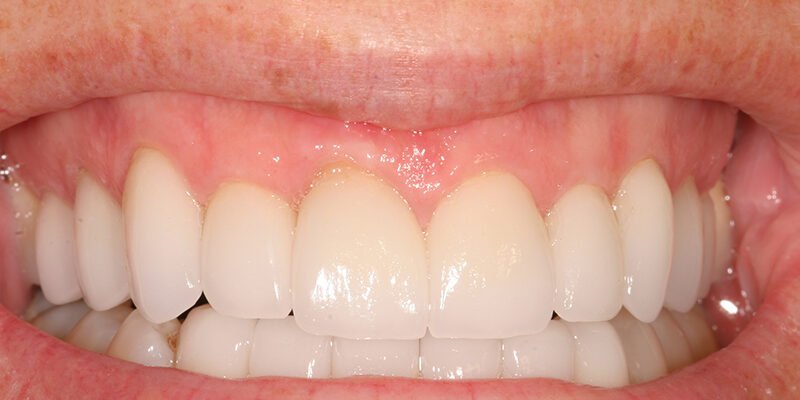
Periodontitis, also generally called gum disease or periodontal disease, begins with bacterial growth in your mouth and may end — if not properly treated ends up with tooth loss due to destruction of the tissue that surrounds your teeth.
Gingivitis (gum inflammation) usually precedes periodontitis (gum disease). However, it is important to know that not all gingivitis progresses to periodontitis.
In the early stage of gingivitis, bacteria in plaque build up, causing the gums to become inflamed and to easily bleed during tooth brushing. Although the gums may be irritated, the teeth are still firmly planted in their sockets. No irreversible bone or other tissue damage has occurred at this stage.
When gingivitis is left untreated, it can advance to periodontitis. In a person with periodontitis, the inner layer of the gum and bone pull away from the teeth and form pockets. These small spaces between teeth and gums collect debris and can become infected. The body’s immune system fights the bacteria as the plaque spreads and grows below the gum line.
Plaque is the primary cause of gum disease. However, other factors can contribute to periodontal disease. These include: HORMONAL CHANGES, ILLNESSES SUCH AS CANCER ,HIV, BLOOD SUGAR, MEDICATIONS, BAD HABITS LIKE SMOKING ETC.