

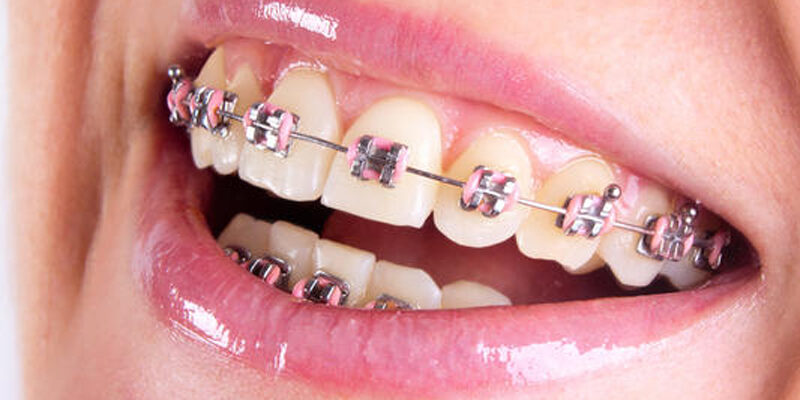
Orthodontics is the branch of dentistry that specializes in the diagnosis, prevention and treatment of dental and facial irregularities. The technical term for these problems is “malocclusion,” which means “bad bite.” The practice of orthodontics requires professional skill in the design, application and control of corrective appliances, such as braces, to bring teeth, lips and jaws into proper alignment and to achieve facial balance.
- Protruding upper front teeth – one of the most common dental problems
- Crowding – a narrow jaw may mean there is not enough room for your teeth, resulting in crowding. Conversely, some patients have significant gaps between their teeth.
- Asymmetry – particularly when the centre lines of the upper and lower front teeth do not match, perhaps because the teeth have drifted or the position of the jaw has shifted.
- A deep bite – when your upper teeth cover the lower teeth too much
- A reverse bite – when your upper teeth bite inside the lower teeth
- An open bite – when your front teeth remain apart when your back teeth meet; the tongue is often still visible between the upper and lower front teeth.
- Impacted teeth – in some patients, secondary teeth come through in the wrong position or do not erupt at all. Orthodontic treatment can help bring these teeth into the correct position.
WHEN SHOULD TREATMENT BEGIN?
The best age is between 10 and 14. This is when a child’s head and mouth are still growing and teeth are easier to straighten, but patients can get braces at any age. In fact, more and more adults are getting braces.
THE MOST COMMON ORTHODONTIC TREATMENT IS BRACES
Braces are made of bands, wires, and brackets. They gently move teeth into the right position. This can fix the way you bite together. There are different types of braces. The most common are metal or plastic brackets attached to the front surface of the teeth. “Lingual” braces attach to the back of teeth. They are hidden from view but harder to clean.
Quick Facts About Orthodontics
- Orthodontic treatments with braces can move teeth that are crooked or that do not fit together right.
- Practicing good oral care while wearing braces helps protect your teeth and gums. It can also cut down on the amount of time you need to wear braces.
- Using tools like floss threaders, interdental brushes, and electric toothbrushes specifically designed for orthodontics can help maintain proper oral health during treatment.
Protect Your Braces
- Don’t chew on pens, straws, or ice cubes.
- Don’t bite your nails or play with elastics.
- Don’t eat hard or sticky foods.